TOPHAND News ServiceScrewworm Watch

What does it look like?

Image gallery, field signs, and lifecycle visuals.

43 official imagesGraphic contentUSDA APHIS gallery COPEG photos
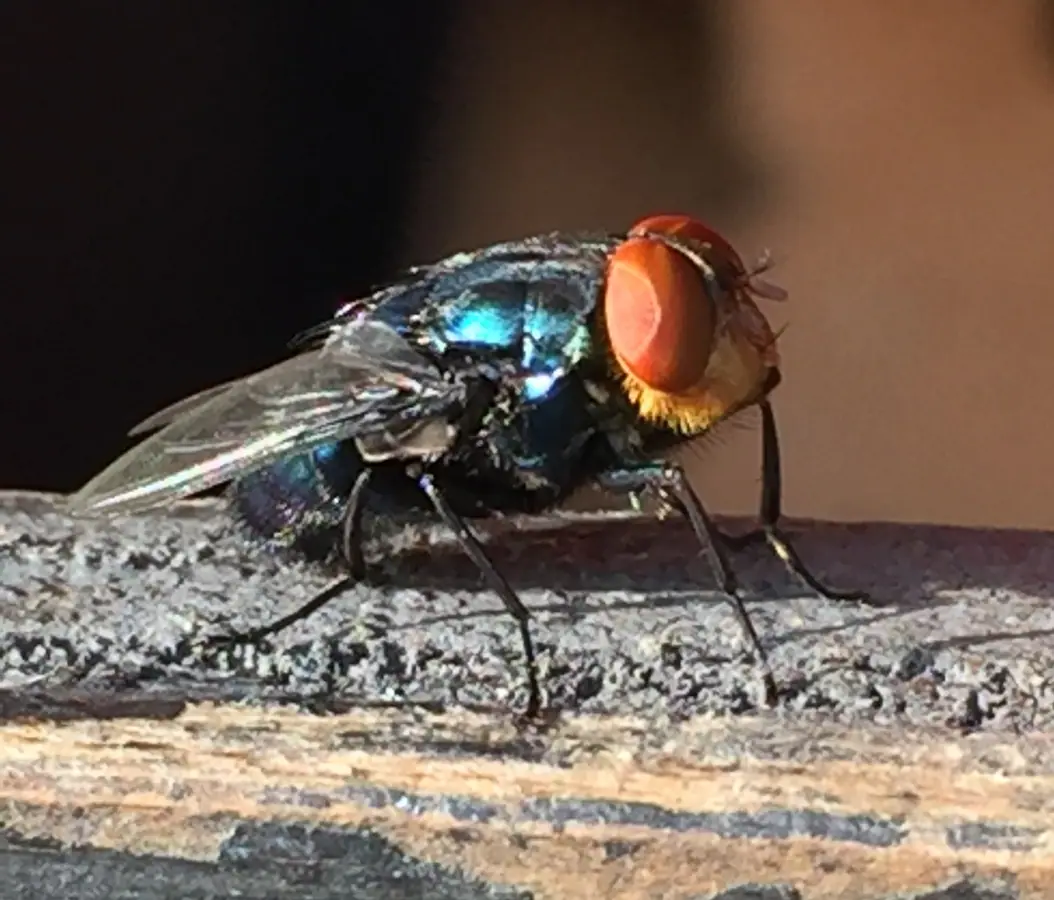
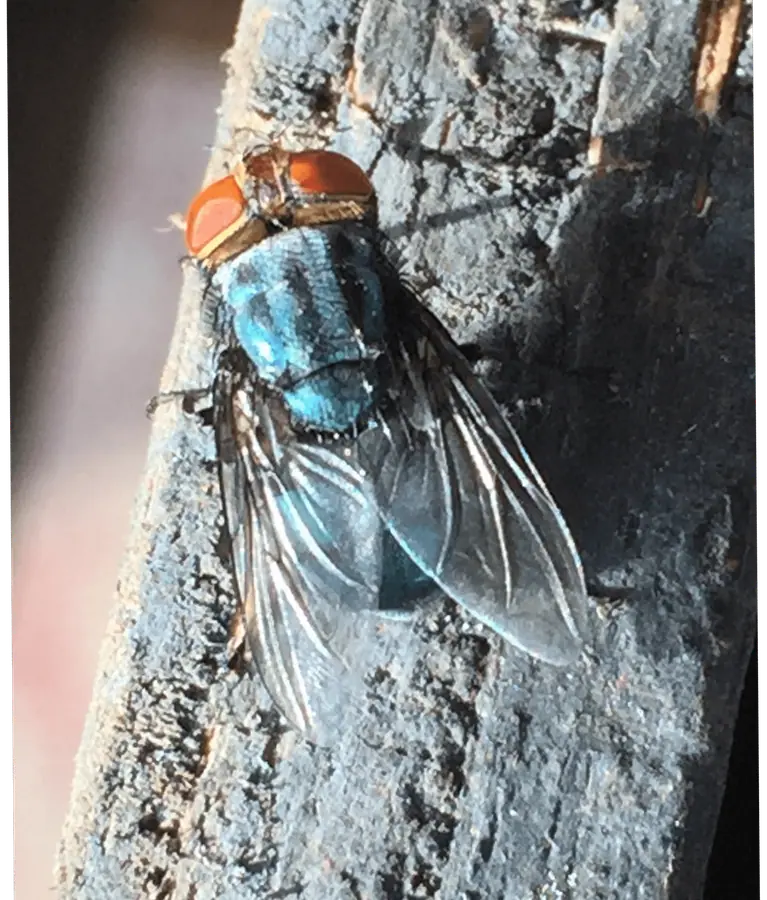
Adult New World screwworm fly with orange eyes and metallic bodyLife stage
Adult fly

Orange eyes, metallic blue-green body, dark back stripes.

Photo by USDASource
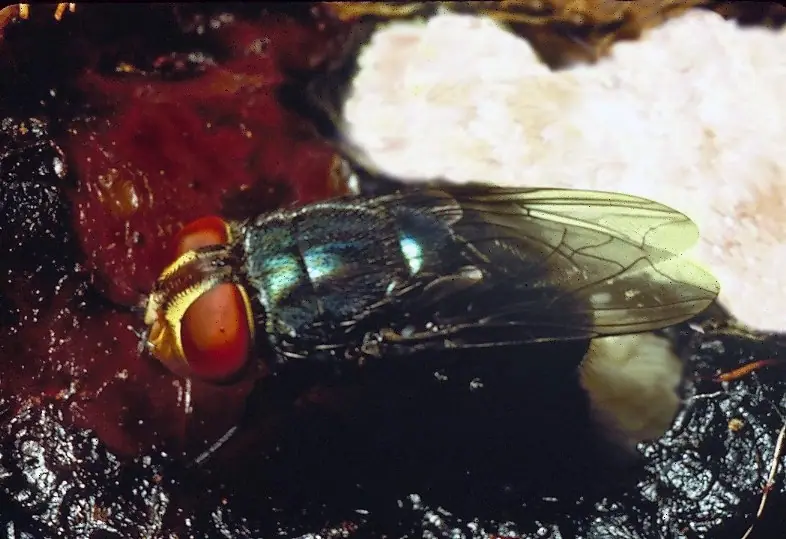
New World screwworm fly and eggsLife stage
Fly and eggs

Eggs are laid on wounds or moist body openings.

Photo by USDASource
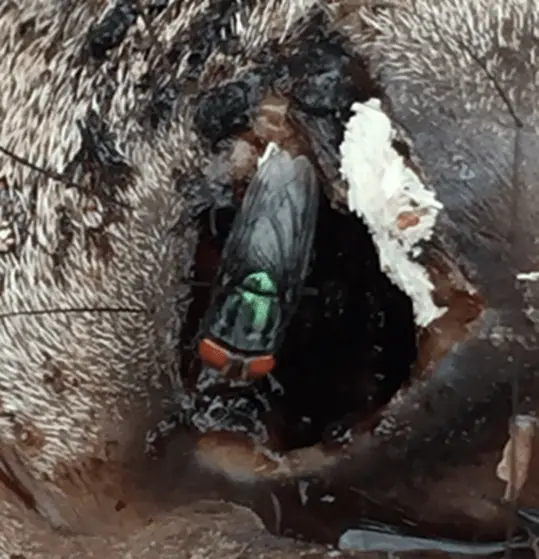
New World screwworm fly with egg mass on woundWound sign
Egg mass on wound

Even small wounds can attract egg-laying flies.

Photo by USDASource
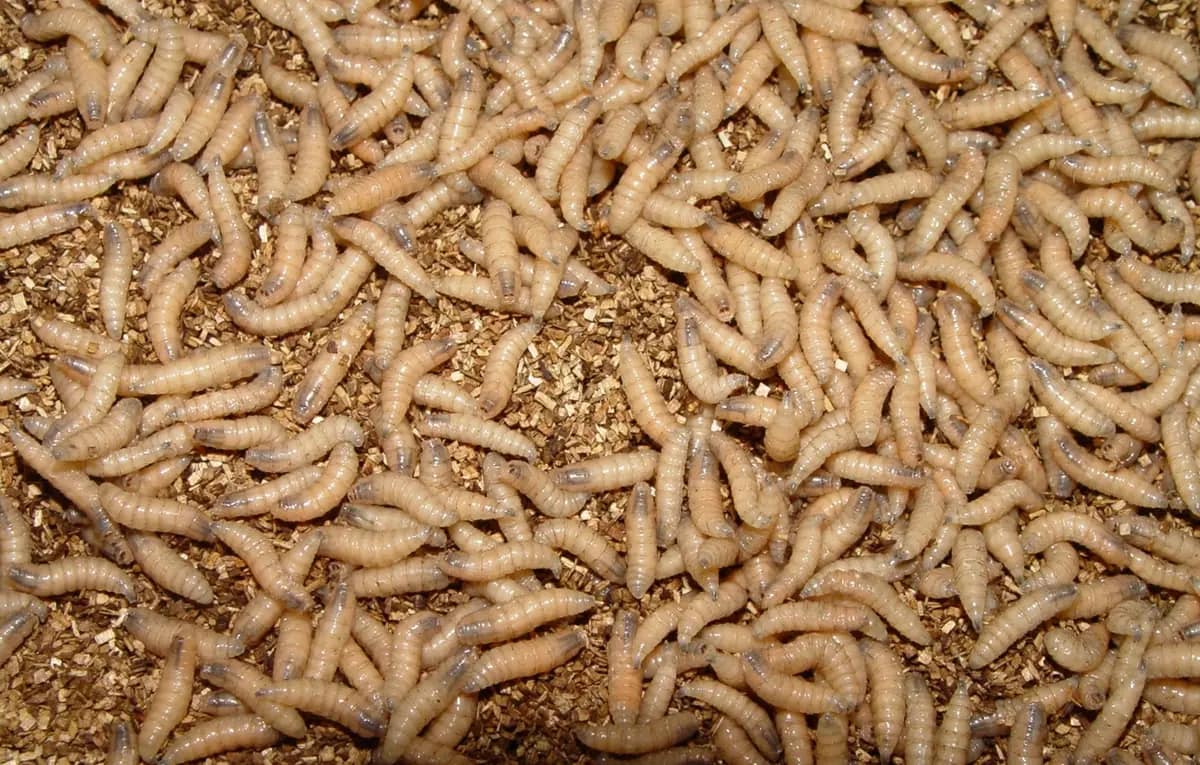
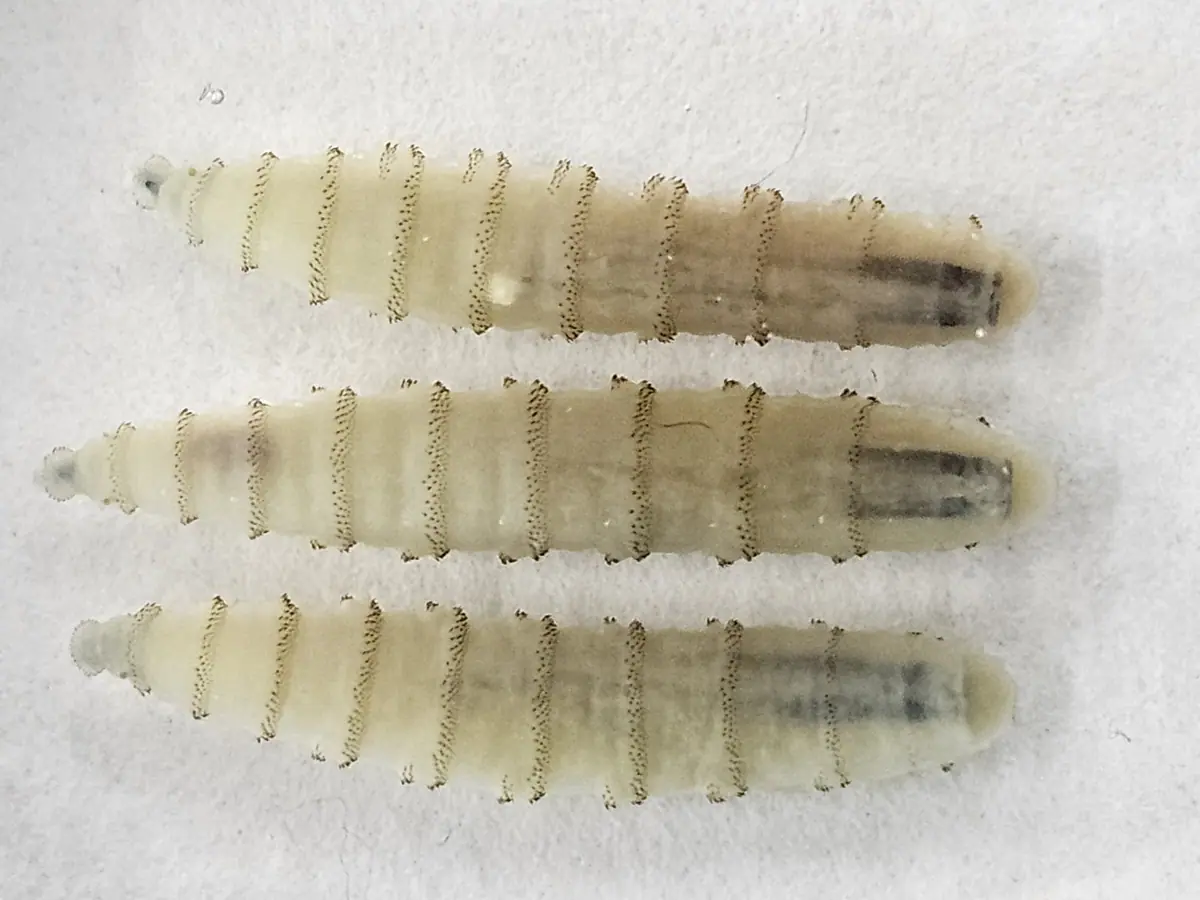
Mature New World screwworm larvaeLarvae
Mature larvae

Larvae burrow into living tissue after hatching.

Photo by COPEGSource
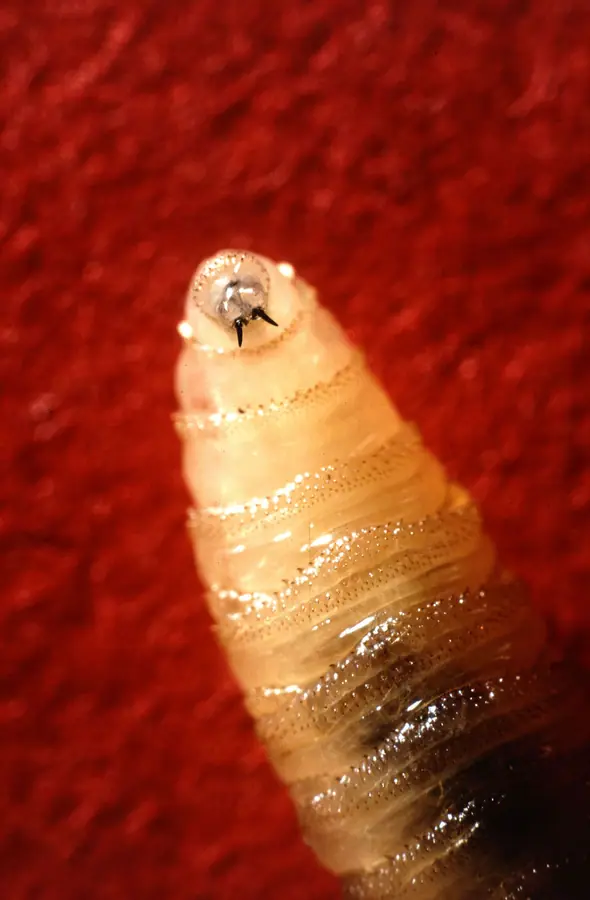
Closeup of New World screwworm larva showing mouth hooksLarvae
Larva mouth hooks

Mouth hooks tear tissue and can deepen wounds.

Photo by USDASource
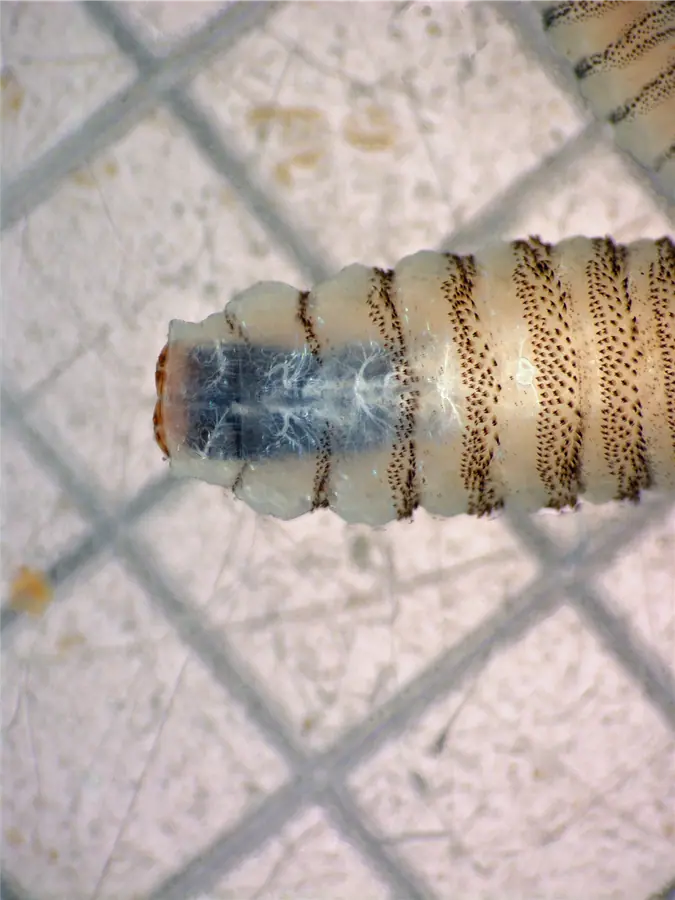
Closeup of a New World screwworm larvaLarvae
Larva closeup

Close larval view for shape and body detail.

Photo by USDASource
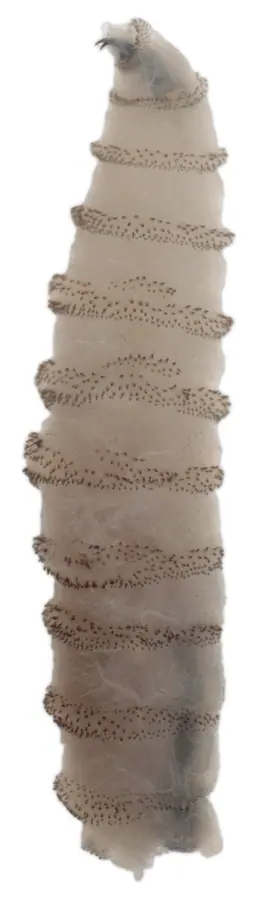
New World screwworm larva reference imageLarvae
Larva detail

Another close reference for larval appearance.

Photo by USDASource
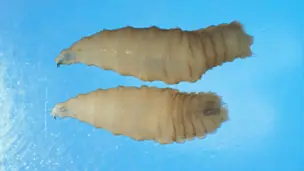
Two New World screwworm larvaeLarvae
Two larvae

Side-by-side larvae reference.

Photo by USDASource
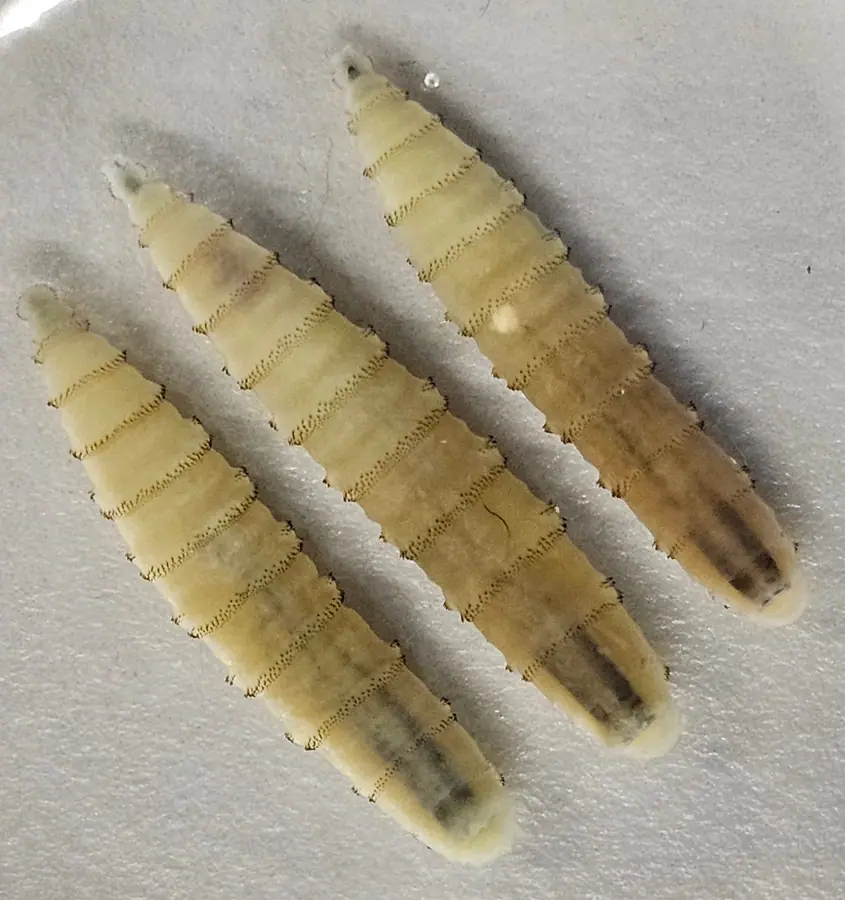
Closeup of three New World screwworm larvaeLarvae
Three larvae

Larvae grouped for size and body comparison.

Photo by Sohath Yusseff-Vanegas, USDA Agricultural Research ServiceSource
Closeup image of three New World screwworm larvaeLarvae
Larvae comparison

Second grouped larvae reference.

Photo by Sohath Yusseff-Vanegas, USDA Agricultural Research ServiceSource
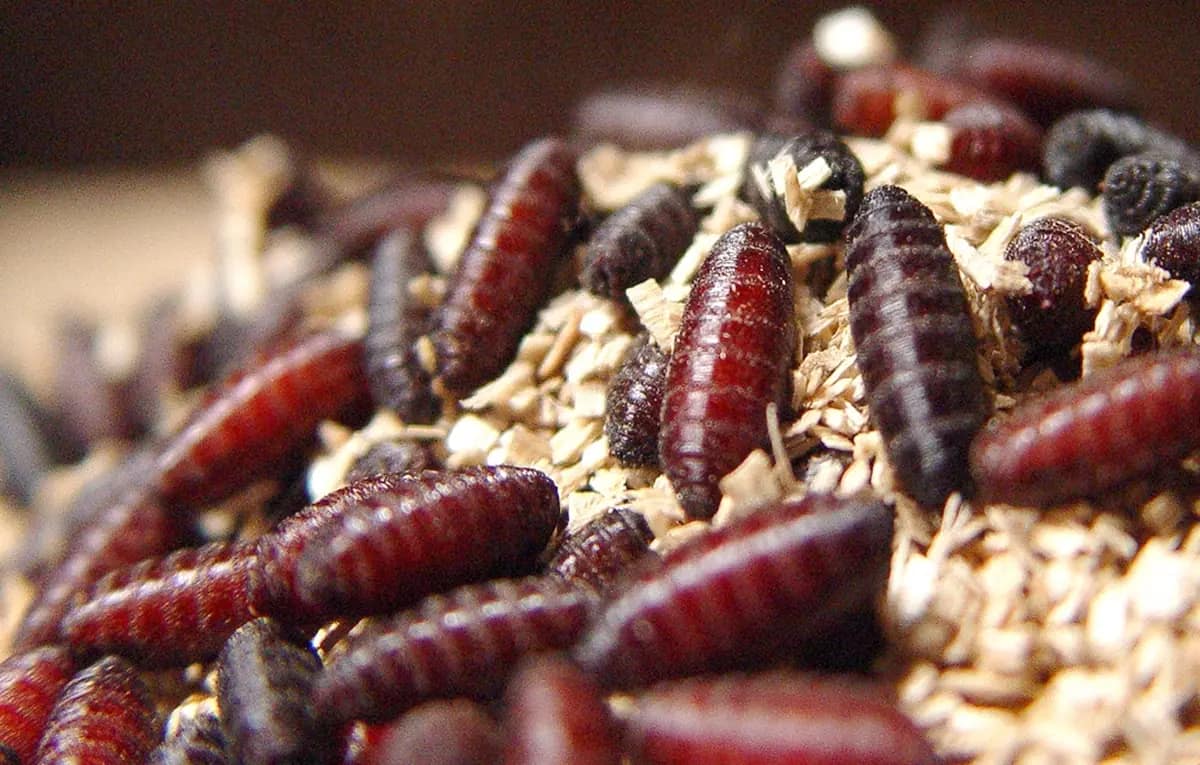
New World screwworm pupaeLife stage
Pupae

Larvae drop from wounds and pupate in soil.

Photo by COPEGSource
Adult New World screwworm flyLife stage
Adult fly vertical

Another adult fly angle.

Photo by USDASource
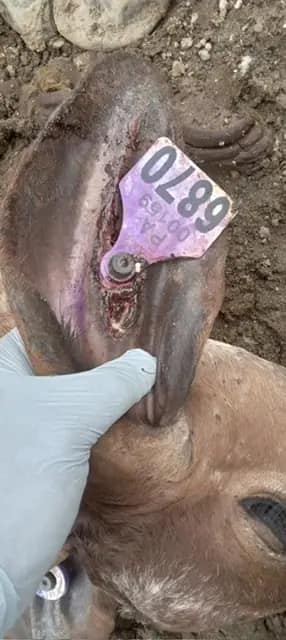
Ear-tag wound infested with New World screwwormCattle and sheep
Ear-tag wound

Tag sites and small wounds deserve close checks.

Photo by Dr. Feliciano Bravo, COPEGSource
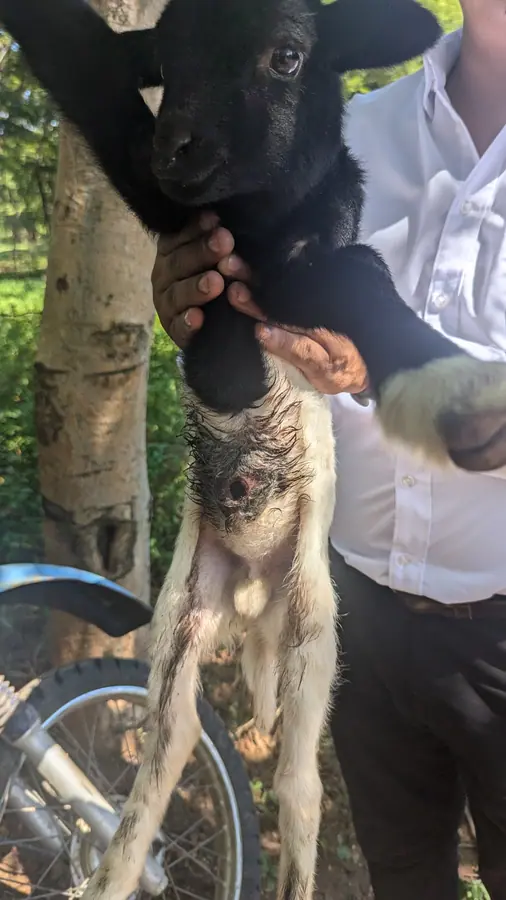
Newborn animal navel infested with New World screwwormCattle and sheep
Newborn navel

Navels on newborn animals are high-risk sites.

Photo by Sohath Yusseff-Vanegas, USDA Agricultural Research ServiceSource
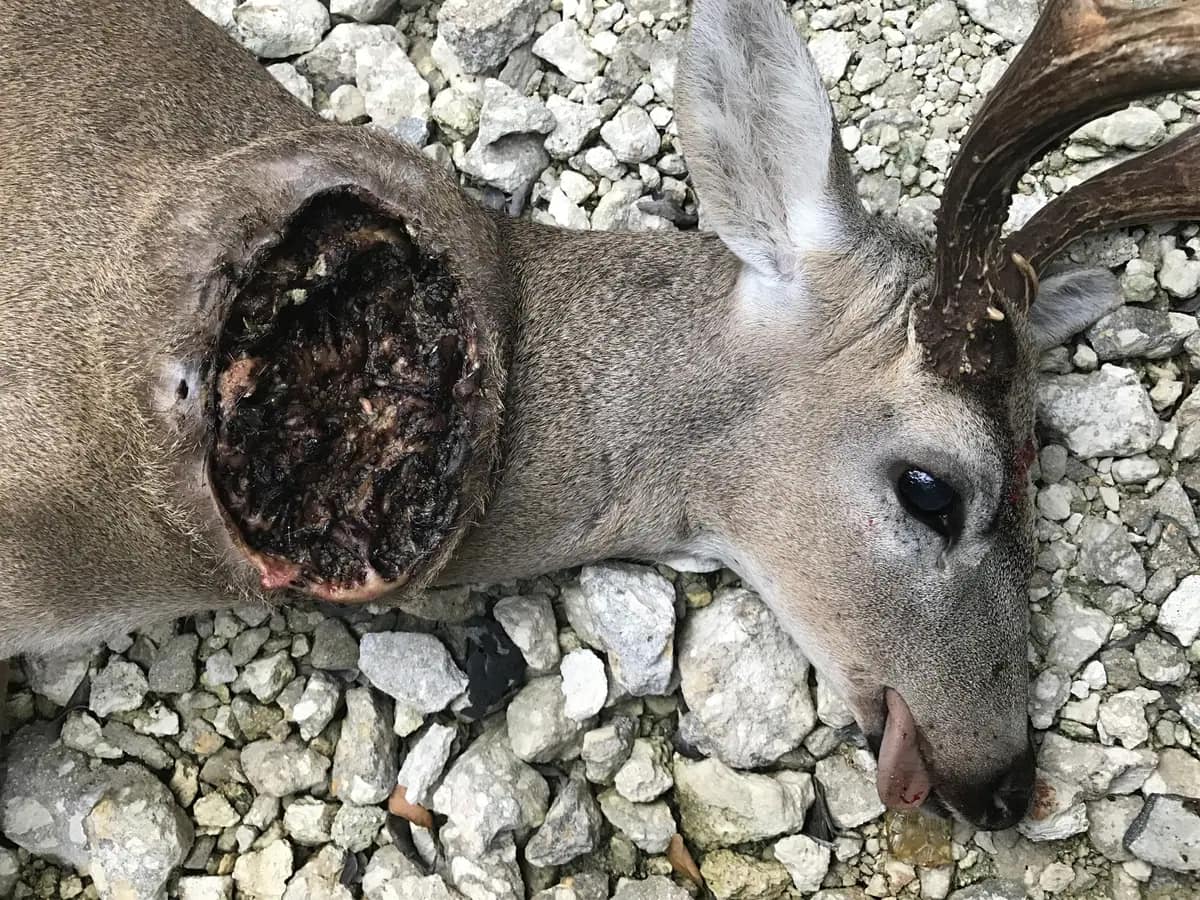
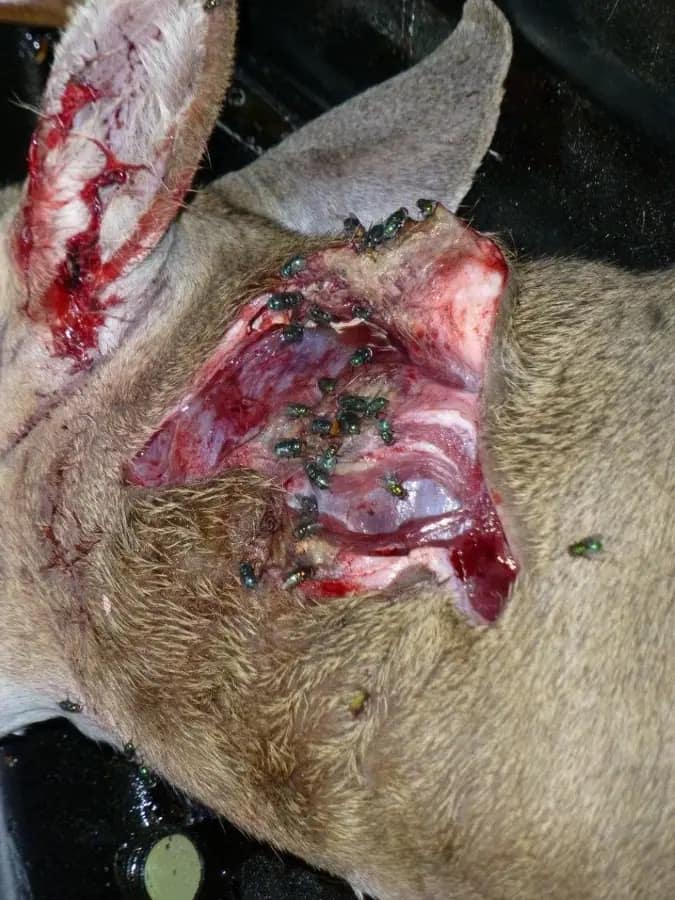
Deer infested with New World screwwormWildlife
Deer infestation

Wildlife can carry visible infestations too.

Photo by USDASource
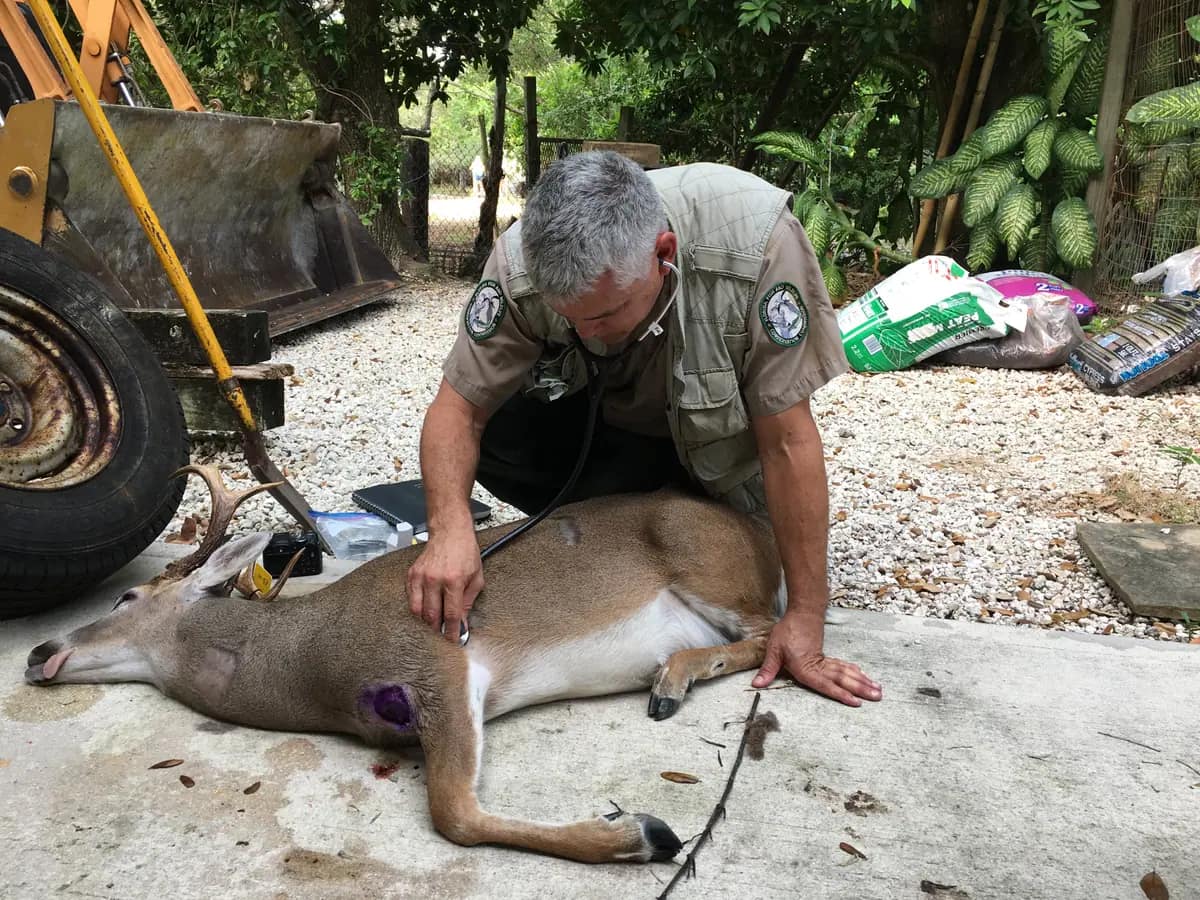
Deer with New World screwworm infestationWildlife
Deer wound

Second wildlife reference from APHIS.

Photo by USDASource
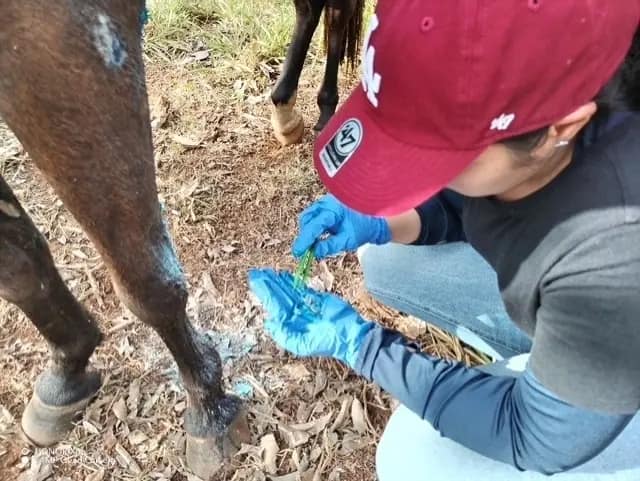
Inspecting larvae removed from an infested horseHorse
Horse larvae check

Larvae removed from an infested horse.

Photo by Dr. Feliciano Bravo, COPEGSource
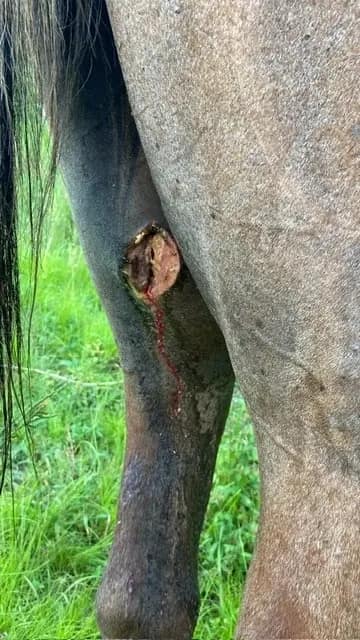
New World screwworm infestation in a horse legHorse
Horse leg

Leg wounds can become infestation sites.

Photo by Dr. Feliciano Bravo, COPEGSource
Goat leg wound with New World screwworm infestationGoat
Goat leg wound

Leg wound reference.

Photo by Dr. Feliciano Bravo, COPEGSource
Closeup of goat wound with New World screwworm infestationGoat
Goat wound

Close view of an infested wound.

Photo by Dr. Feliciano Bravo, COPEGSource
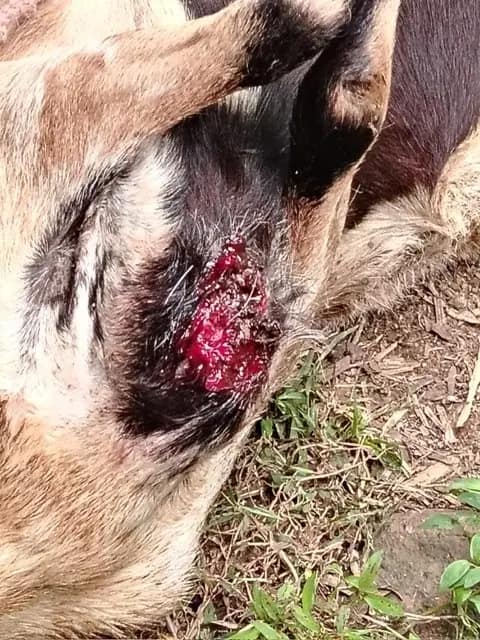
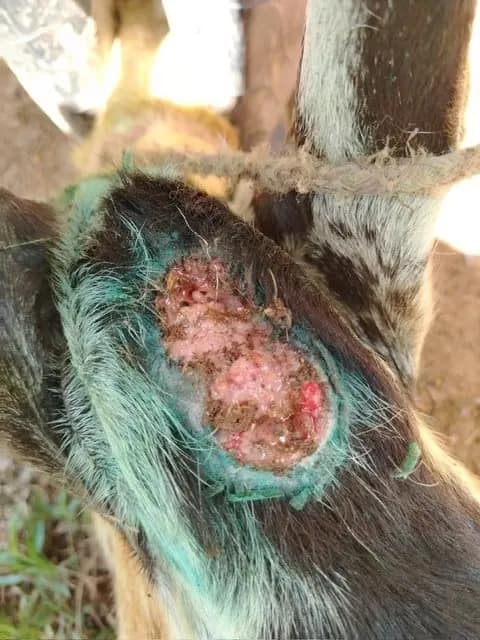
Goat wound with New World screwworm infestationGoat
Goat wound closeup

Another close wound reference.

Photo by Dr. Feliciano Bravo, COPEGSource
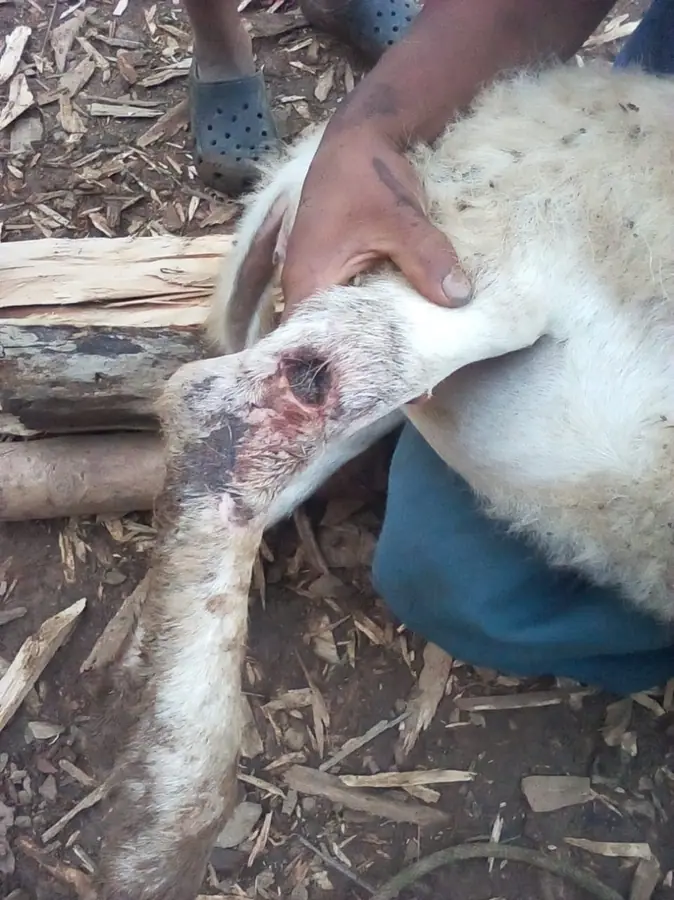
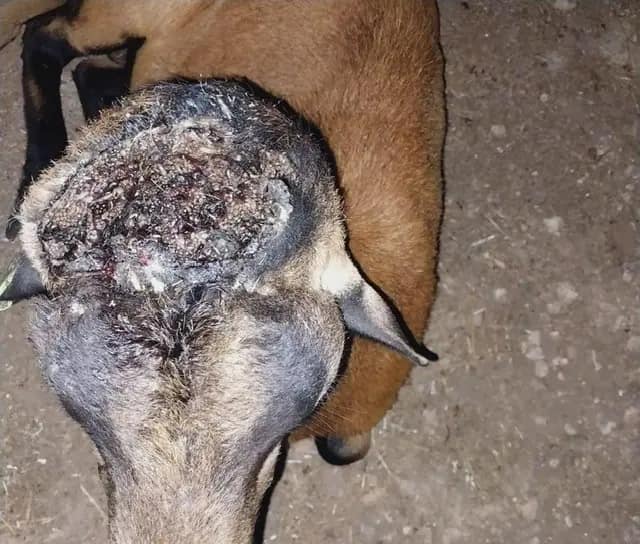
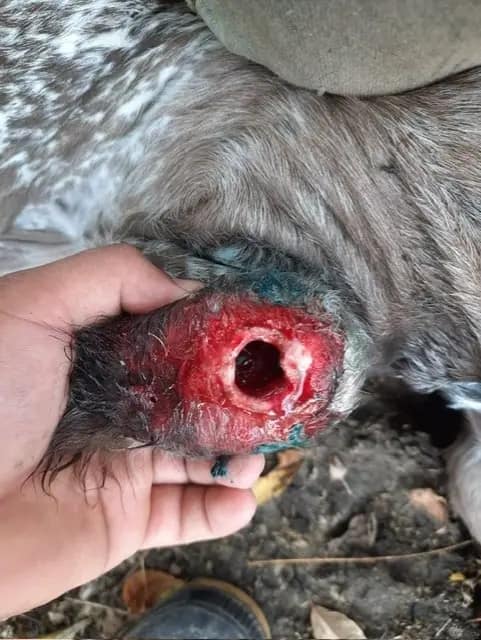
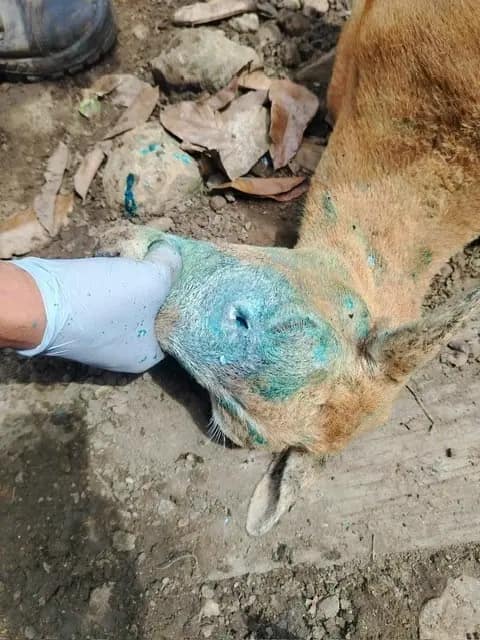
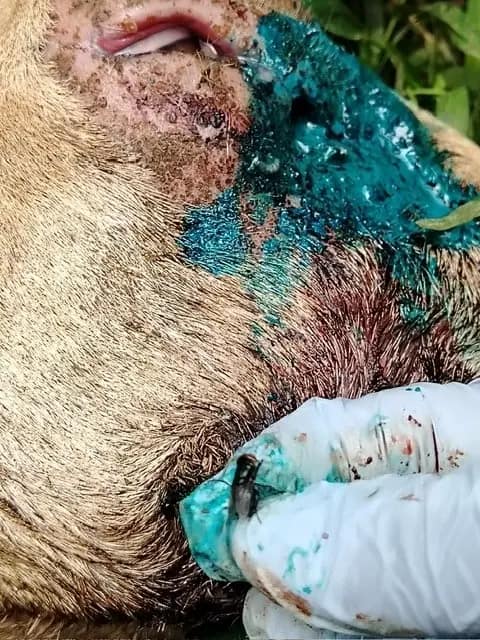
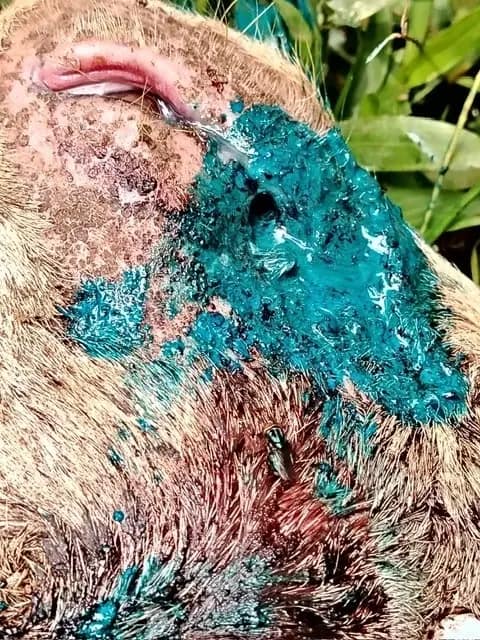
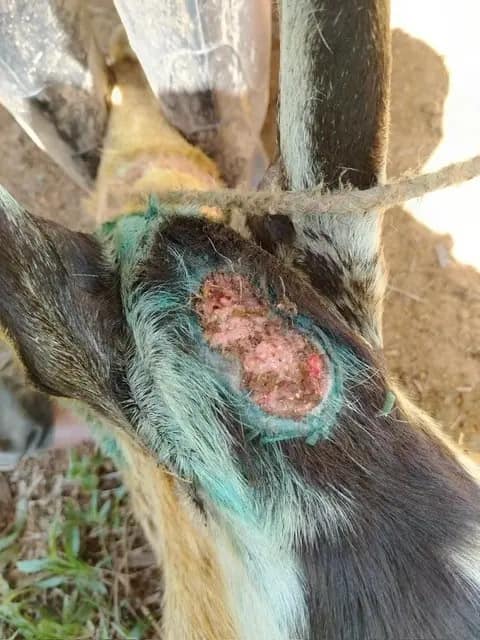
Goat head wound from New World screwworm infestationGoat
Goat head wound

Head wounds need prompt attention.

Photo by Dr. Feliciano Bravo, COPEGSource
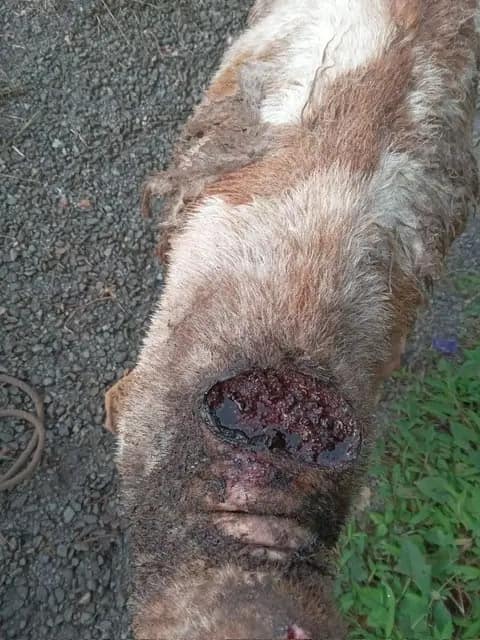
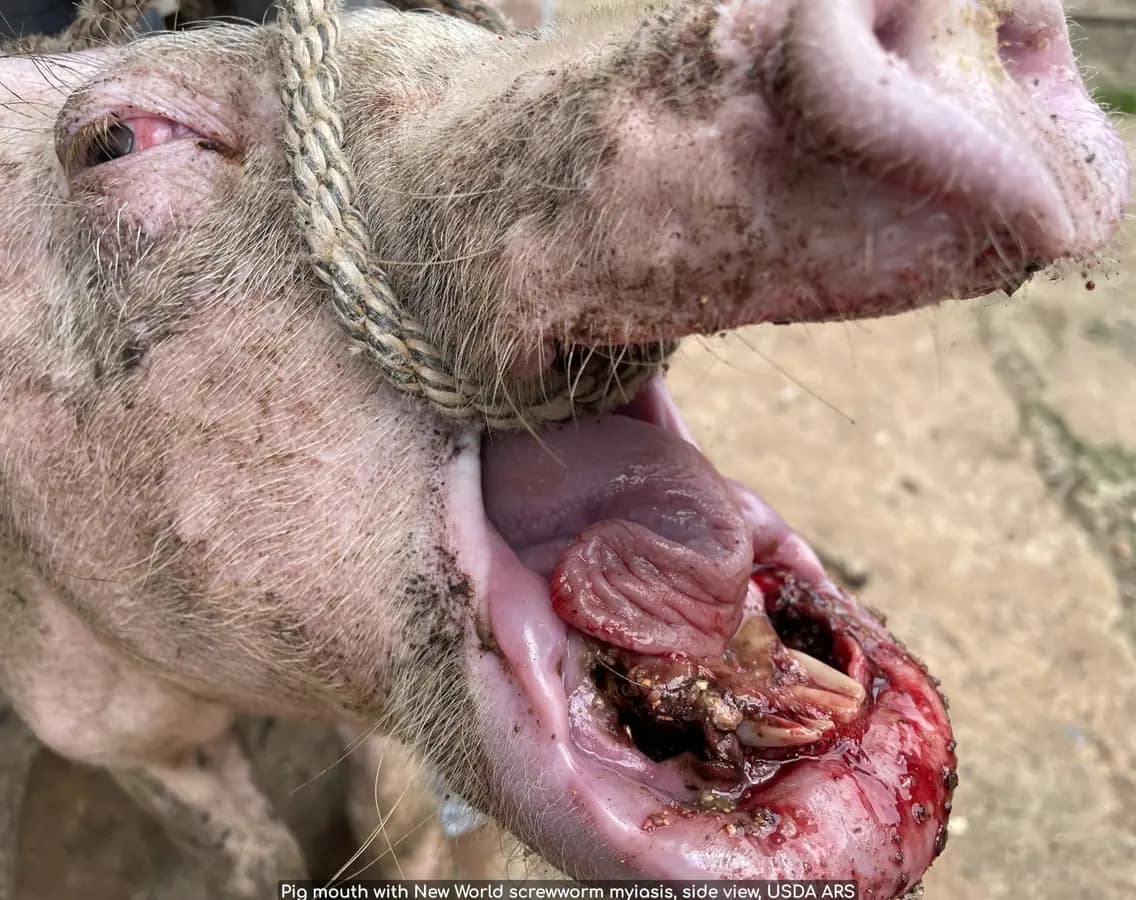
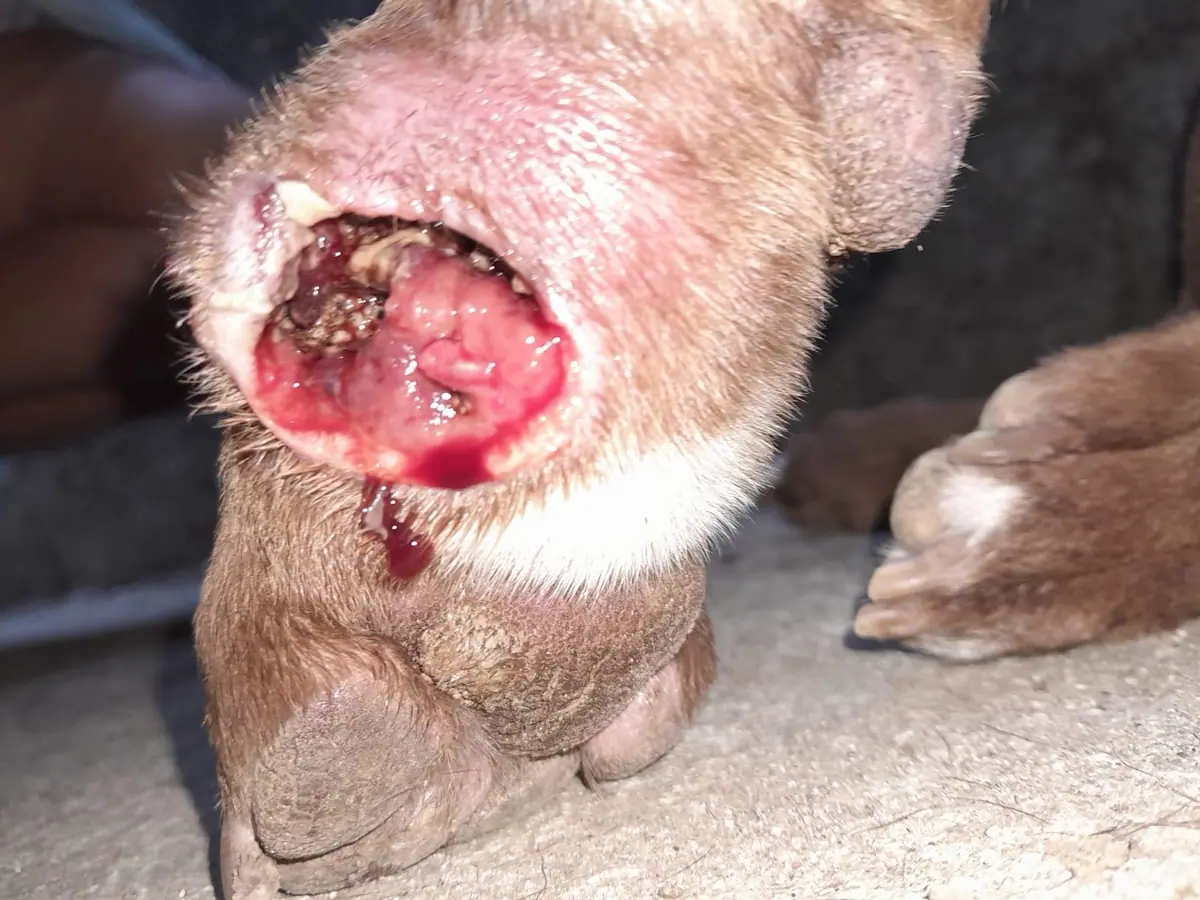
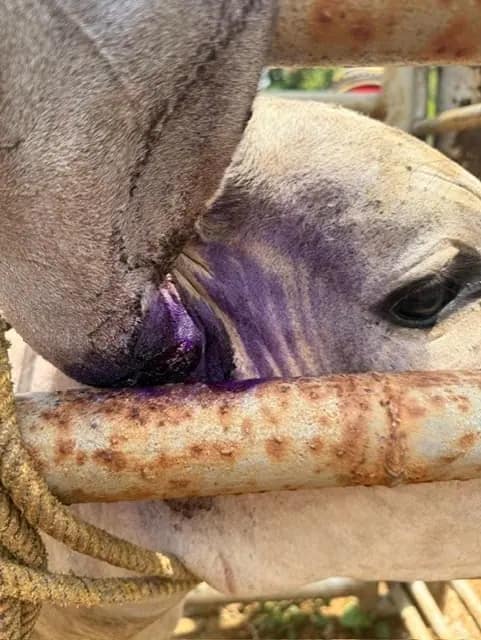
Pig mouth infested with New World screwwormPig
Pig mouth

Body openings can be affected.

Photo by Dr. Feliciano Bravo, COPEGSource
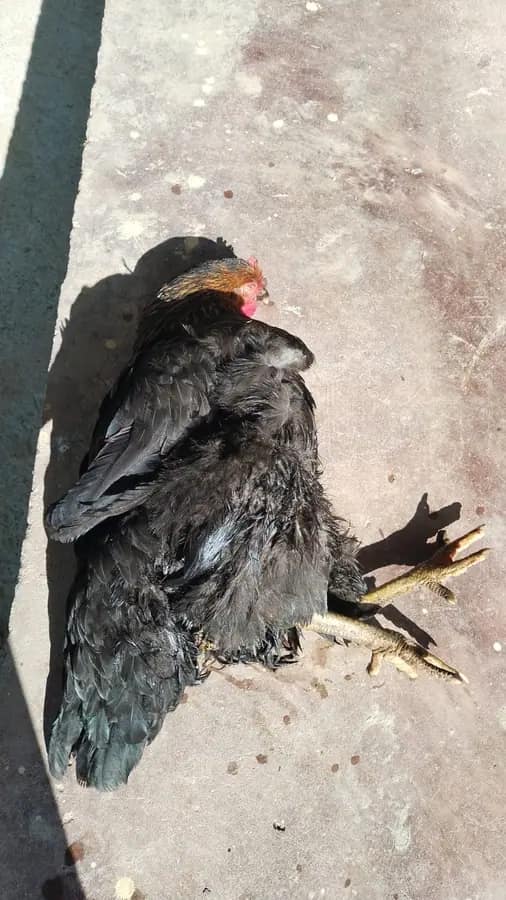
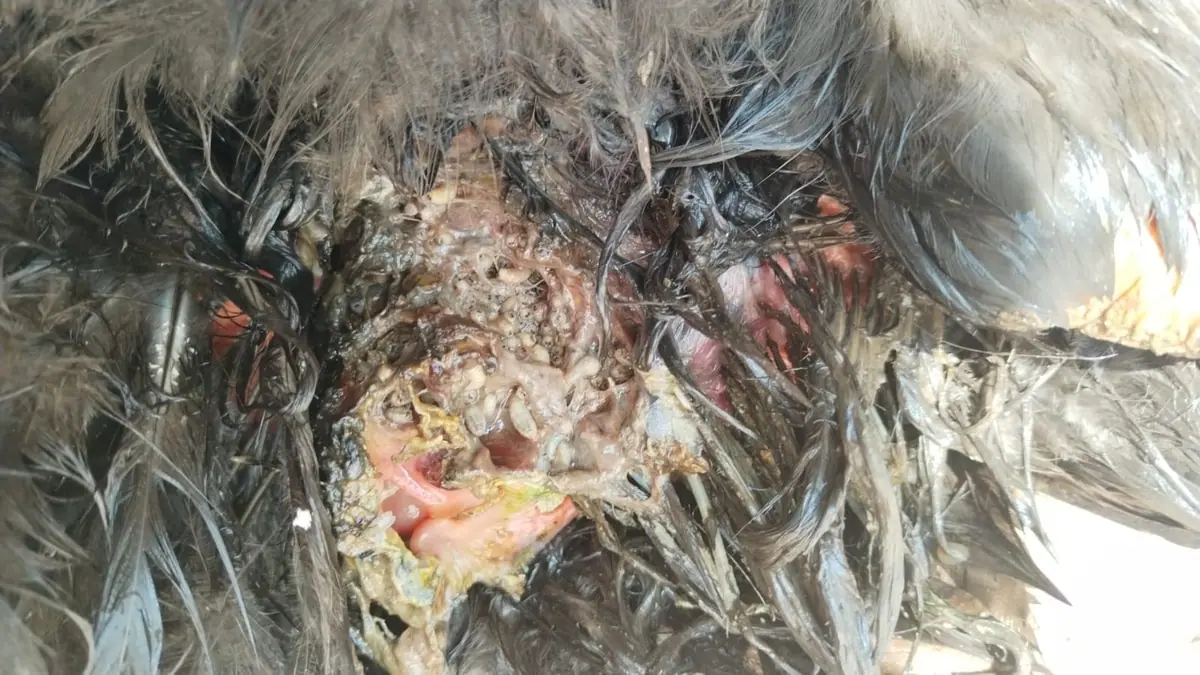
Chicken infested with New World screwwormBird
Chicken infestation

Birds can be affected in some cases.

Photo by Dr. Feliciano Bravo, COPEGSource
Closeup of chicken infested with New World screwwormBird
Chicken closeup

Close bird reference.

Photo by Dr. Feliciano Bravo, COPEGSource
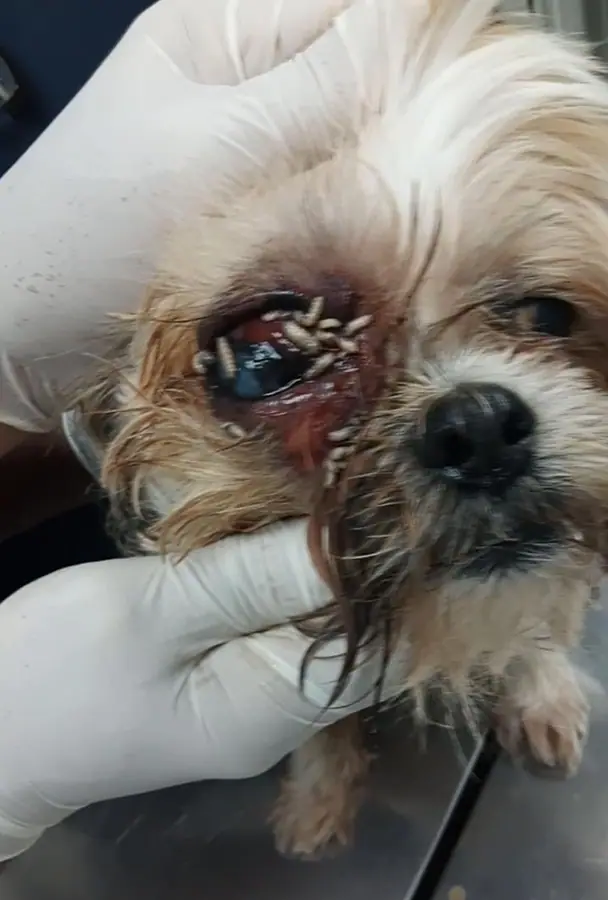
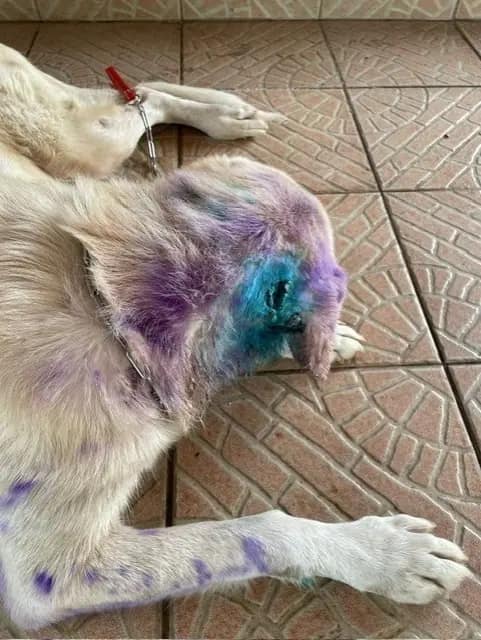
Dog with New World screwworm infestation near the eyeDog
Dog eye area

Pets can need urgent veterinary care.

Photo by Dr. Feliciano Bravo, COPEGSource
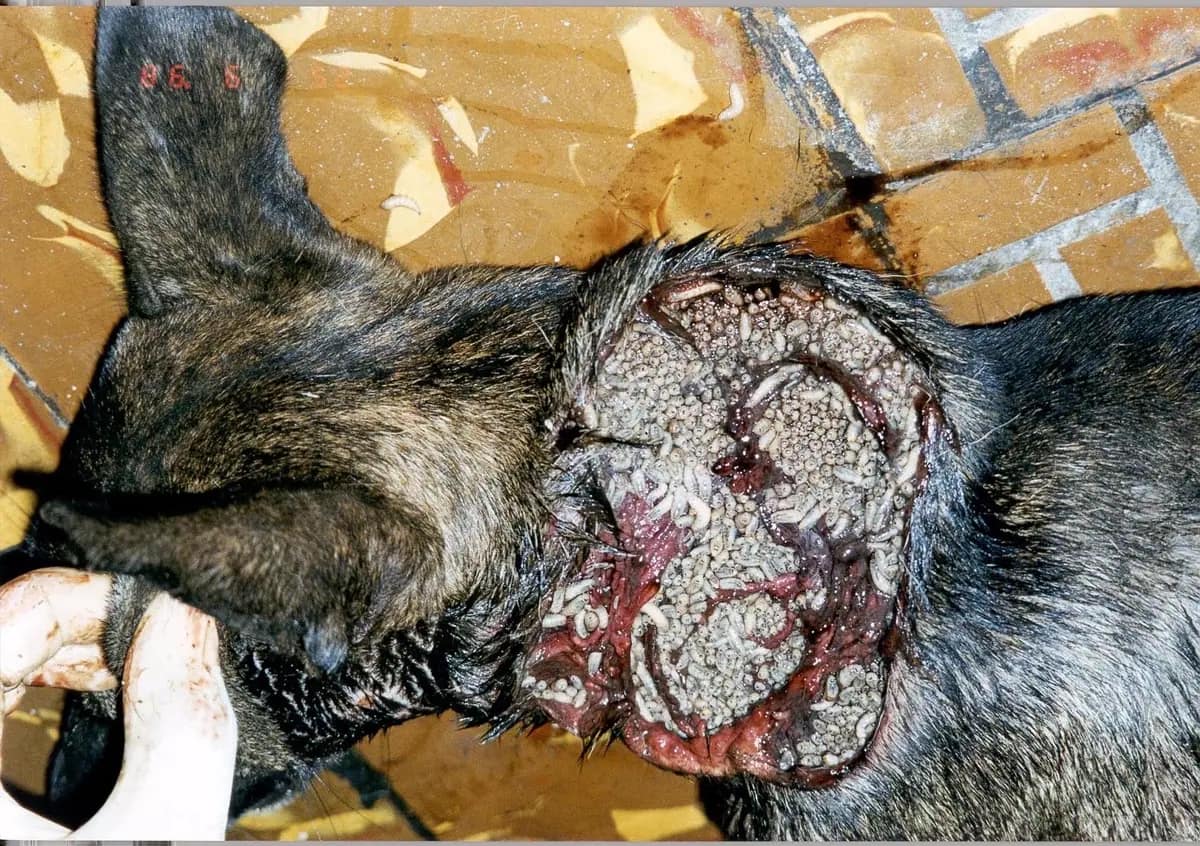
Severe New World screwworm infestation on a dog's neckDog
Dog neck

Severe neck wound reference.

Photo by Winthorpe Marsden, Jamaican Ministry of AgricultureSource
Dog paw with New World screwworm myiasisDog
Dog paw

Feet and paws can hide wounds.

Photo by USDASource
New World screwworm fly, larva, and egg in a woundWound sign
Fly, eggs, and larvae

Eggs, larvae, and fly on a wound.

Photo by Samantha Gibbs, U.S. Fish and Wildlife ServiceSource
New World screwworm flies attracted to an animal woundWound sign
Flies on wound

Open wounds attract adult flies.

Photo by USDASource
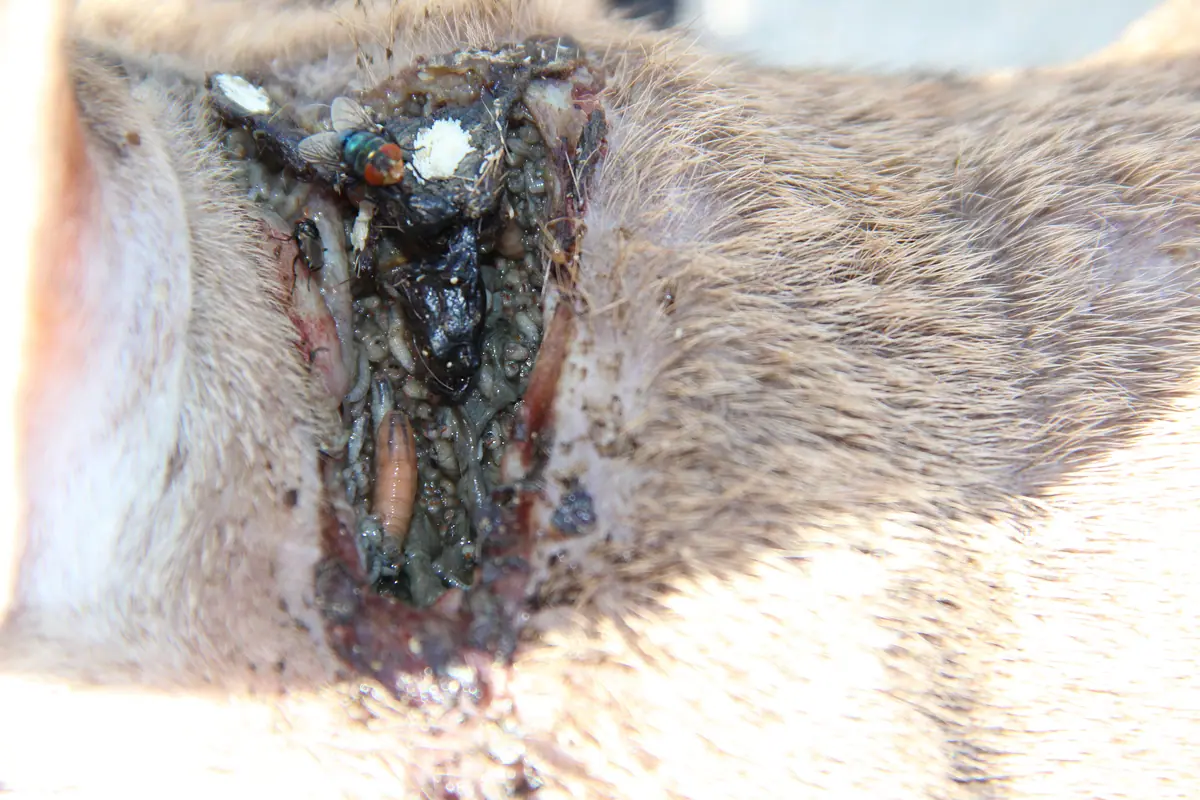
Tunneling wound from New World screwworm myiasisWound sign
Tunneling wound

Deep wound pattern to treat as urgent.

Photo by USDASource
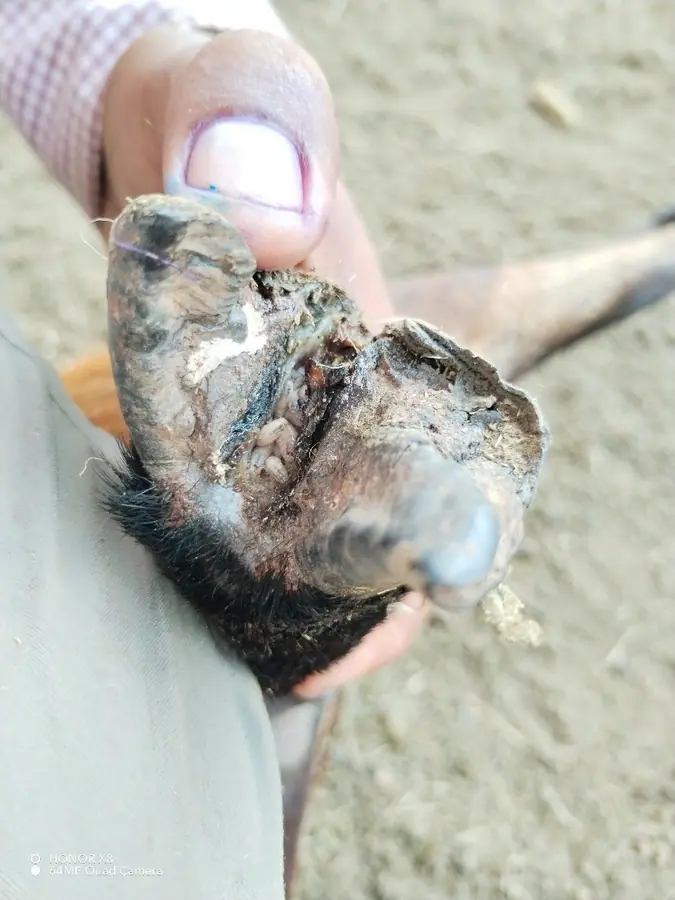
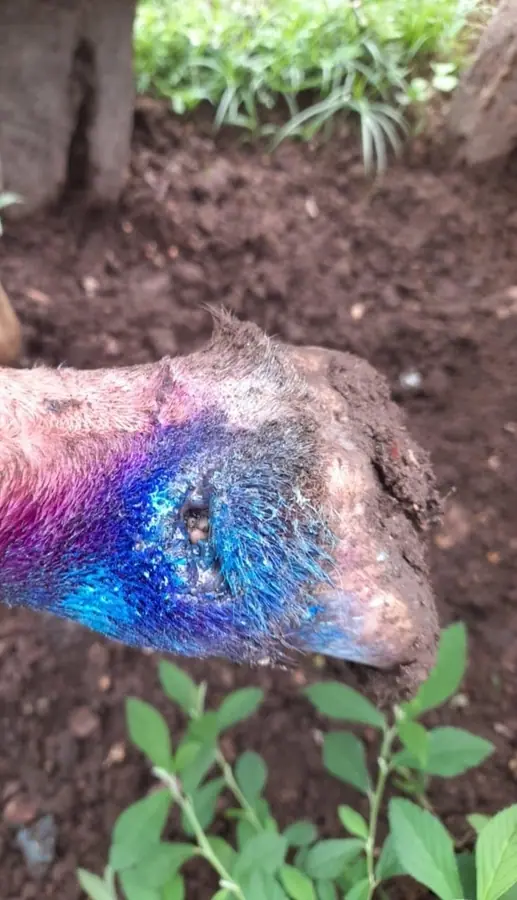
Animal hoof infested with New World screwwormWound sign
Hoof wound

Hooves and lower legs can hide damage.

Photo by USDASource
Removing New World screwworm larvae from an infested animalTreatment
Removing larvae

Removal and treatment belong with professionals.

Photo by USDASource
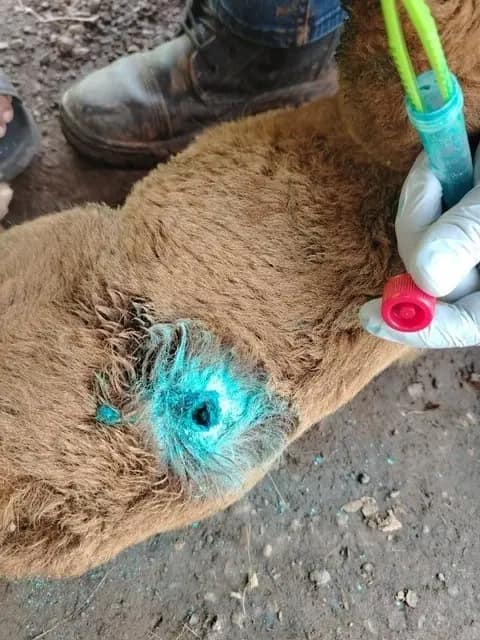
Cow treated for New World screwworm infestationTreatment
Cow treated

Treatment follow-up reference.

Photo by Dr. Feliciano Bravo, COPEGSource
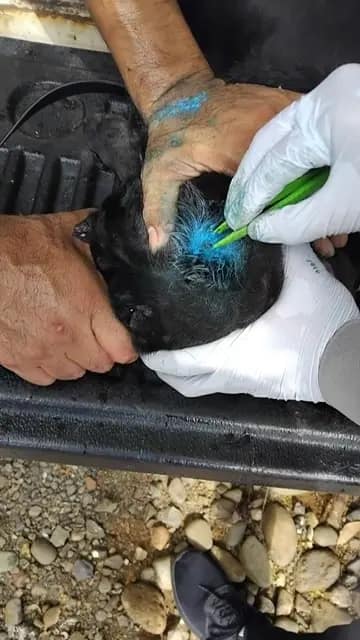
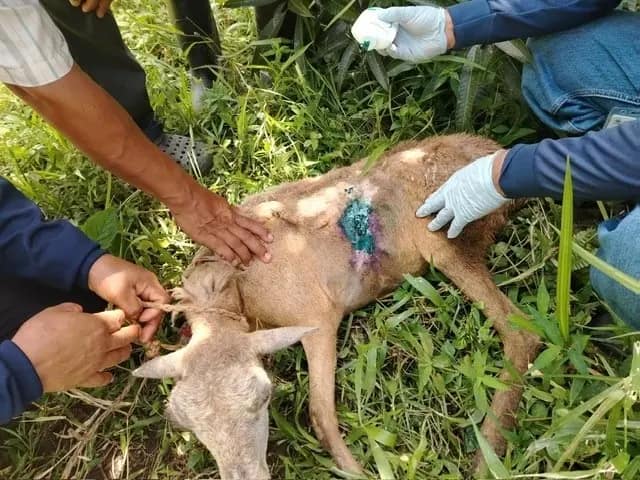
Goat wound being treated for New World screwworm infestationTreatment
Goat treatment

Treatment view on a goat wound.

Photo by Dr. Feliciano Bravo, COPEGSource
Goat head wound being treated for New World screwworm infestationTreatment
Goat head treatment

Treatment near the head.

Photo by Dr. Feliciano Bravo, COPEGSource
Goat wound treated for New World screwworm infestationTreatment
Goat wound treatment

Treated wound reference.

Photo by Dr. Feliciano Bravo, COPEGSource
Closeup of treated goat wound after New World screwworm infestationTreatment
Goat treatment closeup

Close treatment reference.

Photo by Dr. Feliciano Bravo, COPEGSource
Goat wound treatment for New World screwworm infestationTreatment
Goat treatment view

Treatment view from APHIS.

Photo by Dr. Feliciano Bravo, COPEGSource
Detailed goat wound treatment for New World screwworm infestationTreatment
Goat treatment detail

Another treatment detail.

Photo by Dr. Feliciano Bravo, COPEGSource
Goat treatment follow-up for New World screwworm infestationTreatment
Goat treatment follow-up

Follow-up view from APHIS.

Photo by Dr. Feliciano Bravo, COPEGSource
Goat wound follow-up after New World screwworm treatmentTreatment
Goat wound follow-up

Additional treatment follow-up.

Photo by Dr. Feliciano Bravo, COPEGSource
Dog treated for New World screwworm infestationTreatment
Dog treated

Pet treatment reference.

Photo by Dr. Feliciano Bravo, COPEGSource
Life Cycle

Screwworm larvae feed on living tissue.

The animation shows the stages from adult fly to eggs, larvae, pupae, and the next generation.

Field Cues

Signs that deserve a closer look or a call.

If a wound looks suspicious, contact a veterinarian, state animal health official, or USDA.

Wound ChangeWet, widening, painful, or foul-smelling.
Drainage
Expanding edge
Odor
Actual reference photo

Draining or enlarging wounds

Treat a wound that is getting wider, deeper, wetter, swollen, bloody, painful, or foul-smelling as an urgent second-look case.

  • Drainage or bleeding
  • Wound edges expanding
  • Foul odor with swelling or pain
USDA APHIS owner guidance
Odor CuePair smell with visible wound changes.
Putrid smell
Drainage
Swelling or pain
Field-cue illustration

Foul odor or decay smell

Smell alone does not diagnose screwworm, but a putrid odor with drainage, swelling, pain, or visible larvae should raise urgency.

  • Putrid or decaying smell
  • Bloody discharge
  • Odor plus swelling or pain
CDC clinical overview
Eggs Or LarvaeLook for movement in living tissue.
Egg massLarvaeMovementMoist wound
Visible larvae in a wound should trigger a call to a veterinarian or animal-health official.
Actual reference photo

Maggots or egg masses

Look for eggs or larvae in wounds and around moist tissue. Maggots feeding in living tissue are the concern that needs immediate reporting.

  • Creamy egg masses near wound edges
  • Visible larvae or maggots
  • Movement inside living tissue
USDA APHIS field brochure
High-Risk SitesCheck moist openings and newborn navels.
NoseEarsGenital areaNewborn navel
Lesions, drainage, odor, or movement near these sites should trigger a call.
Body-site illustration

Lesions in body openings

Check nose, ears, genital areas, the umbilical area of newborn animals, and other moist openings where lesions can be easy to miss.

  • Nose, ears, or genital area
  • Umbilical area on newborns
  • Lesion, drainage, or odor near an opening
USDA APHIS owner guidance
Behavior ChangeLook at the animal and the wound together.
Discomfort plus a suspicious wound should move the case up the urgency list.
Behavior cue illustration

Signs of discomfort

Behavior does not diagnose screwworm, but discomfort plus a suspicious wound should trigger a closer inspection and a call for help.

  • Irritated or restless behavior
  • Depression or not eating
  • Isolation from other animals or people
USDA APHIS owner guidance